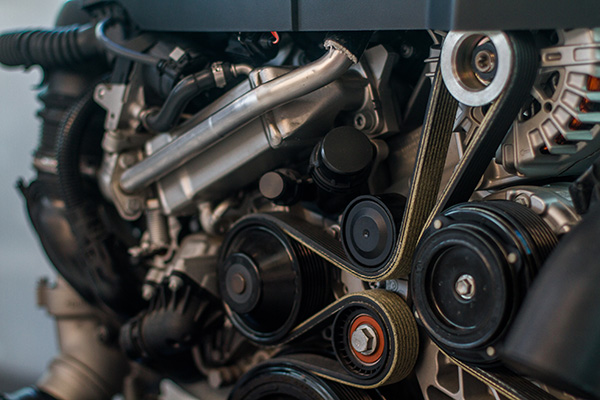
A startup squeal is annoying because it grabs your attention, then disappears before you can make sense of it. Some vehicles do it for a second and never again, while others start stretching that squeal longer every week. The sound usually points to something slipping or spinning under extra strain, but there are a few different paths to that same noise.
The timing of the squeal is the clue.
Why It Squeals Only At Startup
A squeal at startup usually happens because something is momentarily slipping as the engine settles into idle. Belts are a common source, but the sound can also come from a pulley bearing that is dry or starting to drag. If it only squeals on the first start of the day, temperature and moisture are often part of the story.
If the squeal shows up on every start, hot or cold, that leans more toward wear or a tension issue. You might also notice it when you turn the steering wheel at low speed or when the A/C is on. Those patterns help separate a one-second slip from a component that is struggling every time it spins.
Cold Weather, Moisture, And Belt Slip
Moisture can make a belt slip more easily, especially if the belt surface is already glazed. Overnight dew or a damp engine bay can create just enough slickness that the belt chirps or squeals until it dries. This is why some drivers swear the noise is worse after rain or early in the morning.
Cold temperatures can also stiffen rubber and change how tensioners behave for the first few seconds. The belt has less flexibility, and the system needs a moment to stabilize. A quick squeal that disappears and stays gone may be more of a nuisance than a danger, but it is still worth tracking if it starts happening more often.
Serpentine Belt Wear And Glazing
A worn serpentine belt can look okay at a glance and still squeal. As belts age, the ribs can harden, crack, or glaze, which reduces grip. When the engine starts, the belt suddenly has to drive multiple accessories at once, and a worn belt can slip right at that moment.
You might see tiny cracks across the ribs or a shiny surface on the belt. You may also find fine black dust near the front of the engine, which can be belt material. Staying consistent with regular maintenance helps here because belts are easier to replace on your schedule than after they start slipping loudly.
Tensioner, Idler, And Pulley Bearings
Sometimes the belt is not the problem. A weak tensioner can allow the belt to flutter, which creates slip at startup or when accessories load up. Tensioners also have bearings and springs that wear, and once they lose control, the belt can squeal even if the belt is relatively new.
Idler pulleys and other belt-driven pulleys can also make noise if their bearings are drying out. That sound can be tricky because it may start as a quick squeal, then evolve into a chirp or light grinding. A quick inspection can confirm whether the belt path is stable and whether any pulley feels rough or has some play.
Alternator And Other Accessory Loads
Startup of the engine is when electrical demand spikes. The alternator is asked to recharge the battery after cranking, and if the battery is weak, the alternator may work harder right away. That extra load can make a marginal belt slip, which sounds like a squeal that fades as the battery recovers.
Other accessories can add load too. If the squeal changes when you turn the A/C on, or it appears when you switch on the headlights and the blower, it suggests the belt system is reacting to added demand. We see this often when the belt is near the end of its life or when the tensioner is not holding as firmly as it should.
What To Do Next Before It Gets Worse
Start by paying attention to the pattern for a few days. Note whether it squeals only on the first start, whether it changes with rain, and whether it shows up when you turn on major electrical loads. If the noise lasts longer than a couple of seconds, or if it begins showing up during driving, plan to have it checked soon.
Avoid spraying belt dressing or other quick fixes. Those products can mask the symptom briefly, but they do not solve the underlying slip or bearing issue. The better move is to confirm whether the belt, tensioner, or pulley bearing is the real cause, so the repair holds up.
Get Startup Squeal Repair In Brentwood, CA, With Monkey Wrenches
Monkey Wrenches in Brentwood, CA, can trace the squeal to the belt, tensioner, or pulley that is actually causing it and recommend the right fix based on what we find.
Schedule a visit and get rid of the noise before it turns into a bigger belt drive problem.