Posted on 8/28/2026
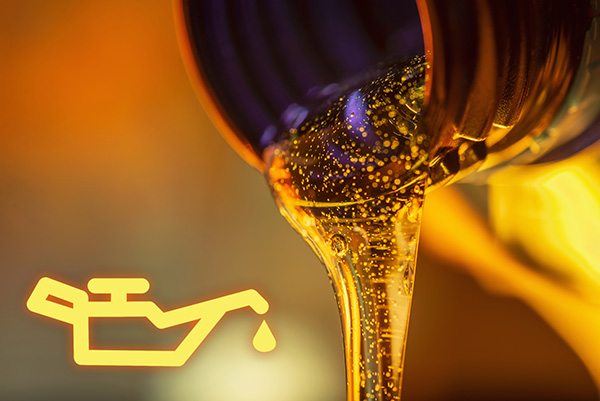
Engine oil has a much bigger job than simply keeping metal parts slippery. It has to flow quickly during a cold start, maintain a protective film when the engine is hot, carry heat away from moving parts, suspend contaminants, and work correctly with systems such as variable valve timing and turbochargers. Using the wrong oil does not always cause an immediate failure. In many cases, the engine will still start and run normally. The concern is what happens over time if the viscosity or required oil specification does not match what the engine was designed to use. Why Oil Viscosity Is Important Oil viscosity describes how easily the oil flows at different temperatures. A grade such as 0W-20 or 5W-30 is designed to provide a certain flow characteristic when cold and a certain level of protection once the engine reaches operating temperature. Oil that is too thick may circulate more slowly during cold starts, when many engine components need lubrication quickly. Oil t ... read more
Posted on 7/31/2026
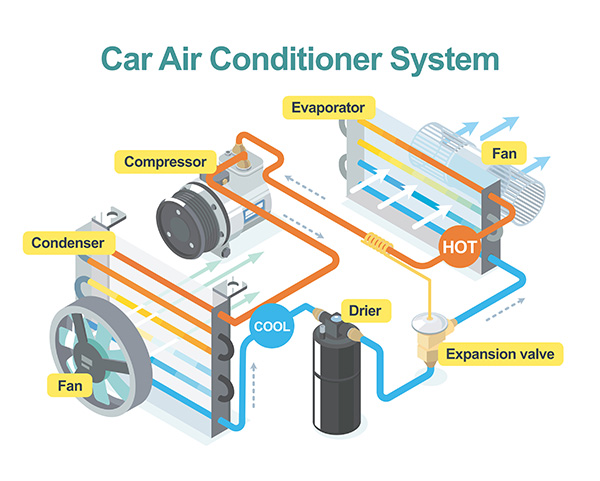
Turning on the A/C should not make your car feel like it suddenly gained a trailer. A slight change in engine load is normal, especially in a smaller vehicle. Still, noticeable hesitation, weak acceleration, a rough idle, or stalling suggests the engine is struggling to meet the extra demand. The A/C compressor takes power from the engine whenever it runs. A healthy vehicle compensates by adjusting idle speed, fuel delivery, and throttle position. When another part is already weak, switching on the A/C can expose the problem almost immediately. The A/C Compressor Adds Load To The Engine The compressor circulates refrigerant through the A/C system. On many vehicles, it is driven by the serpentine belt, so the engine has to provide the power needed to turn it. That extra load is why you may hear the idle change slightly when the compressor engages. A small drop in power can be normal during hard acceleration, particularly with a low-horsepower engine. The concern beg ... read more
Posted on 6/26/2026
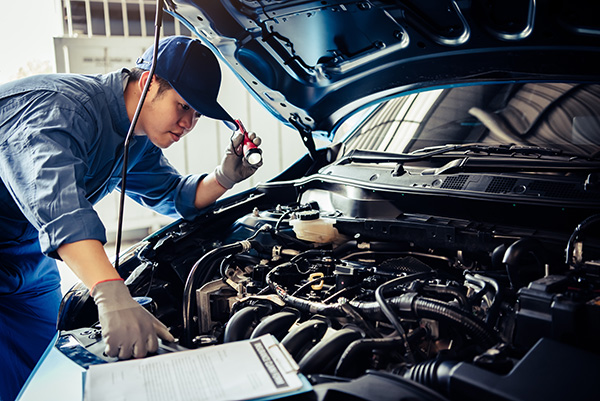
Car maintenance is easy to delay when everything feels normal. The engine starts, the brakes stop the car, the tires look fine from a distance, and the dashboard is quiet. That can make routine service feel less urgent than repairs that demand immediate attention. The problem is that many expensive repairs begin quietly. A low fluid level, weak battery, worn belt, uneven tire wear, or thin brake pad can build up for weeks before the driver notices. A simple maintenance checklist helps catch those changes early, when they are easier to handle. 1. Oil Change And Engine Fluid Checks Oil changes are one of the most important parts of regular maintenance because engine oil protects moving parts from heat, friction, and wear. When oil gets old, low, or dirty, it cannot protect the engine as well. Over time, that can increase wear on bearings, timing components, camshafts, and other internal parts. A good oil service should also include a check of fluid levels and conditi ... read more
Posted on 5/29/2026

An engine light can make a perfectly normal drive feel uncertain. Sometimes the car still feels fine. Other times it starts shaking, hesitating, smelling odd, or using more fuel than it did last week. Either way, the light is not there for decoration. It is the car saying one of its systems has moved outside the range it expects. The cause can be simple, but the fix should still be based on testing, not a random parts swap. 1. Loose Gas Cap Or EVAP Leak A loose gas cap is the classic simple cause, and it really can turn the engine light on. The fuel system is sealed, so fuel vapors stay contained instead of escaping into the air. If the cap is loose, cracked, missing, or not sealing, the system sees a leak. If the light came on shortly after fueling, check the cap first. Tighten it until it clicks, then give the vehicle a few normal drives. If the light stays on or comes back on, the leak could be somewhere else in the EVAP system, like a hose, purge valve, vent va ... read more
Posted on 4/30/2026

We’ve all been there. You’re cruising along, humming to the radio, and suddenly BAM. Your coffee splashes out of the cup holder, your teeth rattle, and for a split second, you’re pretty sure your front axle just stayed behind on the pavement. Pothole season is a real thing here at the shop. As the weather fluctuates and the asphalt expands and contracts, the roads start looking more like the surface of the moon than a city street. While it might seem like a silly question, should you dodge them? The answer actually involves a bit of strategy. Swerving wildly to miss a hole can be just as dangerous as hitting one, but ignoring them altogether is a fast track to an expensive appointment with our alignment rack. What Happens? When your tire hits a deep pothole, it isn’t just a loud noise. It’s a violent physical event. Your car’s suspension is designed to absorb bumps, but a crater in the road is an "extreme impact" that pu ... read more
Posted on 3/27/2026
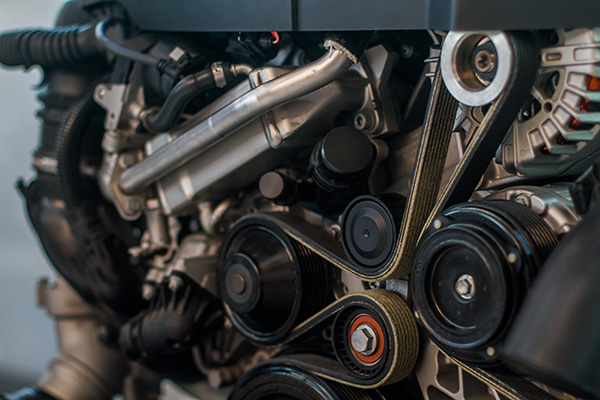
A startup squeal is annoying because it grabs your attention, then disappears before you can make sense of it. Some vehicles do it for a second and never again, while others start stretching that squeal longer every week. The sound usually points to something slipping or spinning under extra strain, but there are a few different paths to that same noise. The timing of the squeal is the clue. Why It Squeals Only At Startup A squeal at startup usually happens because something is momentarily slipping as the engine settles into idle. Belts are a common source, but the sound can also come from a pulley bearing that is dry or starting to drag. If it only squeals on the first start of the day, temperature and moisture are often part of the story. If the squeal shows up on every start, hot or cold, that leans more toward wear or a tension issue. You might also notice it when you turn the steering wheel at low speed or when the A/C is on. Those patterns help separate a one ... read more
Posted on 2/26/2026
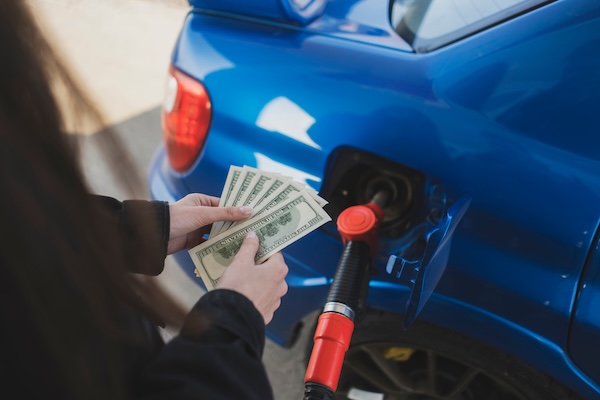
If it feels like you’re stopping at the gas station more often than normal, you’re not imagining things. A sudden drop in fuel efficiency is a common concern for many drivers, and it usually means something isn’t working quite right. While rising fuel prices make the problem more noticeable, mechanical issues, driving habits, and maintenance neglect are often the real culprits behind a car that seems to be guzzling gas. Understanding why your vehicle’s fuel economy has changed can help you take the right steps to fix the issue and avoid wasting money at the pump. Changes in Driving Conditions and Habits One of the most overlooked reasons for increased fuel consumption is a change in how or where you drive. Short trips, heavy traffic, and frequent stop-and-go driving force your engine to work harder while delivering fewer miles per gallon. If your routine recently shifted to include more city driving or longer idle times, fuel efficiency will naturally suffer ... read more
Posted on 1/30/2026
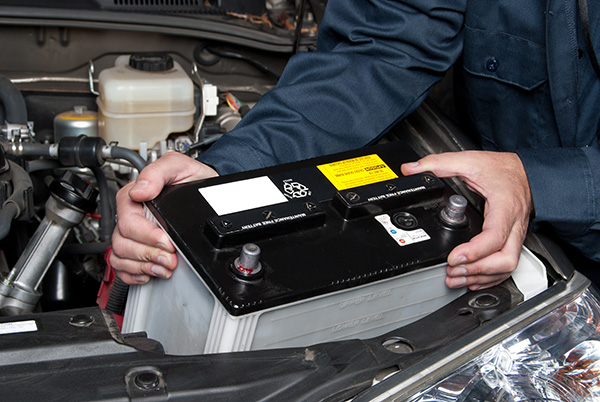
Most dead-battery stories start the same way. You had a normal day, you parked like usual, and the next time you turn the key, the car had other plans. Maybe it is right before work, right after a grocery run, or when you are already running late. The frustrating part is that a weak battery often gives hints ahead of time, but they are just easy to brush off until the moment it finally quits. Why A Battery Can Seem Fine Until It Suddenly Is Not Car batteries do not usually fail in one dramatic moment. They weaken over weeks or months as the internal plates wear down, the chemistry changes, and the battery loses reserve capacity. The tricky bit is that your car can still start normally for a while, especially on warm days or after longer drives. Short trips, cold mornings, and leaving the car parked for a few days are what expose a weak battery first. Add in modern electrical loads like heated seats, big infotainment screens, and frequent phone charging, and a batte ... read more