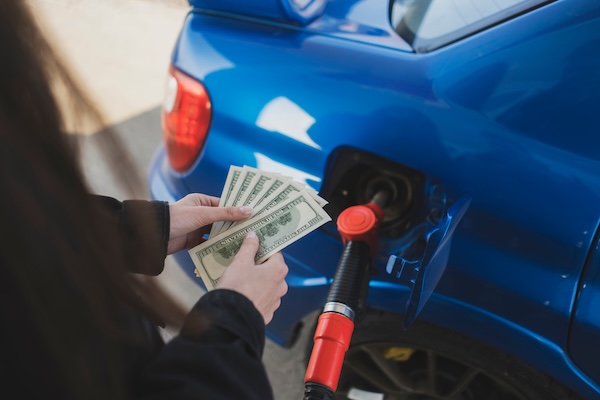
If it feels like you’re stopping at the gas station more often than normal, you’re not imagining things. A sudden drop in fuel efficiency is a common concern for many drivers, and it usually means something isn’t working quite right. While rising fuel prices make the problem more noticeable, mechanical issues, driving habits, and maintenance neglect are often the real culprits behind a car that seems to be guzzling gas.
Understanding why your vehicle’s fuel economy has changed can help you take the right steps to fix the issue and avoid wasting money at the pump.
Changes in Driving Conditions and Habits
One of the most overlooked reasons for increased fuel consumption is a change in how or where you drive. Short trips, heavy traffic, and frequent stop-and-go driving force your engine to work harder while delivering fewer miles per gallon. If your routine recently shifted to include more city driving or longer idle times, fuel efficiency will naturally suffer.
Aggressive driving habits also play a role. Rapid acceleration, speeding, and hard braking all burn more fuel than smooth, steady driving. Even small habits, like letting your car warm up for extended periods, can slowly reduce your gas mileage.
Tire and Wheel Issues
Your tires play a major role in how efficiently your car uses fuel. Underinflated tires increase rolling resistance, requiring the engine to work harder to maintain vehicle speed. Even a few pounds of low pressure can noticeably reduce fuel economy.
Wheel alignment issues can also increase drag. When wheels aren’t properly aligned, tires don’t roll smoothly and evenly, causing additional resistance and faster tire wear. If your car pulls to one side or your steering wheel isn’t centered, it may be costing you more at the pump.
Dirty or Worn Engine Components
Your engine relies on a precise balance of air, fuel, and spark to run efficiently. When components that support this balance are dirty or worn, fuel economy suffers. A clogged air filter restricts airflow, forcing the engine to burn more fuel to compensate. Worn spark plugs can cause misfires or incomplete combustion, leading to wasted fuel.
Fuel system components matter too. Dirty fuel injectors can disrupt fuel spray patterns, preventing the engine from burning fuel efficiently. Over time, these issues accumulate, resulting in noticeable mileage loss.
Check Engine Light and Sensor Problems
If your check engine light is on, there’s a good chance your vehicle is using more fuel than necessary. Sensors such as oxygen sensors and mass airflow sensors help your engine determine how much fuel to inject. When they fail or produce incorrect readings, the engine may run too rich, consuming more fuel than necessary.
Even if your car seems to be driving fine, sensor issues can silently drain your fuel efficiency. Professional diagnostics are often the only way to accurately identify these problems.
Fuel and Exhaust System Concerns
Problems in the fuel or exhaust systems can also increase gas consumption. A failing fuel pressure regulator or leaking fuel injector may deliver too much fuel to the engine. Exhaust restrictions, such as a clogged catalytic converter, can reduce engine efficiency and require the engine to work harder.
These issues often develop gradually, so drivers may not notice a decline in fuel economy right away.
Maintenance Matters More Than You Think
Skipping routine maintenance is one of the most common causes of increased fuel consumption. Using old or incorrect oil in your engine can increase friction and reduce efficiency. Ignoring scheduled tune-ups allows small issues to snowball into fuel-wasting problems.
Key maintenance-related causes of poor gas mileage include:
- Low or dirty engine oil
- Overdue spark plug replacement
- Neglected air and fuel filter service
Keeping up with maintenance not only improves fuel economy but also extends your vehicle's lifespan.
When It’s Time to See a Professional Auto Repair Shop
If you’ve noticed a steady decline in gas mileage and simple fixes haven’t helped, it’s time to have your vehicle inspected. Fuel-economy problems often result from multiple small issues working together. A trained technician can identify the underlying cause and recommend the right repairs to restore efficiency.
Ignoring the problem won’t just cost you more at the pump. It can also lead to more expensive repairs down the road.
Get Back to Better Gas Mileage
Your car was designed to run efficiently, and when it doesn’t, something is usually off. Addressing fuel economy issues early helps protect your wallet and keeps your vehicle running at its best.
Check Your Fuel Efficiency at Monkey Wrenches Inc.
If your car is using more gas than usual, don’t wait. Contact Monkey Wrenches inc. today to schedule a diagnostic inspection in Brentwood, CA. We’ll help pinpoint the issue and get your vehicle back to delivering the fuel economy you expect.